
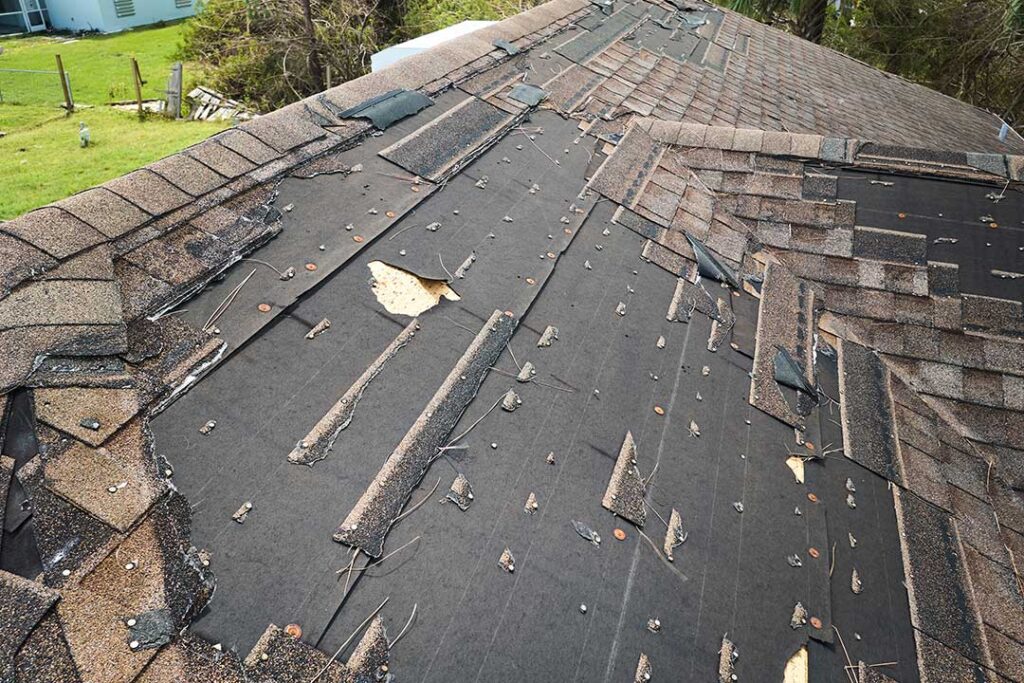
Why Should Perry, NY Residents Prepare Their Roofs for Hurricane Season?
Hurricanes and strong storms are not the most common weather events in Perry, NY, but remnants of Atlantic hurricanes do occasionally bring high winds and heavy rainfall to the area. Roofs are especially vulnerable because even a single loose shingle or weak point can lead to water leaks, structural damage, or costly repairs. For local homeowners, investing time in preparation can prevent far greater headaches if a severe storm reaches the community.
What Roof Problems Are Most Common During Heavy Storms?
The most frequent issues caused by intense winds and rain include shingle loss, water penetration, and gutter overload. Wind can tug at edges or lift poorly-sealed materials, while rainfall exploits any small opening or worn flashing. Trees, especially when overhanging roofs, may add the risk of fallen limbs puncturing roofing surfaces.
Common overlooked risks:
- Small cracks or missing sealant that seem minor in normal conditions
- Gutters clogged from spring debris or budding trees
- Old or loose metal flashing around chimneys and vents
How Can Homeowners in Perry Inspect Their Roofs for Hurricane Readiness?
Begin by visually checking your roof from the ground using binoculars, looking for:
- Curling, cracked, or missing shingles
- Loose or exposed nails
- Damaged flashing around chimneys, skylights, or roof valleys
If safe to access, you can gently walk on low-slope roofs wearing soft-soled shoes, but avoid climbing steep or wet surfaces. Examine the attic for any sunlight peeking through boards or signs of past water intrusion, like stained rafters or insulation.
Pay special attention after spring and early summer storms, which may have already caused subtle damage not immediately visible from below.
Which Repairs and Maintenance Should Be Done Before the Season Begins?
Tackle easy-to-fix issues as soon as possible. Replace missing shingles and re-adhere any that are lifting or buckled. Apply roofing sealant to minor nail holes or flashing gaps. Clear gutters and downspouts so water will shed quickly, lessening the chance of pooling and leaks.
For homes surrounded by tall trees, trim branches back at least six feet from roof surfaces to reduce the chance of breakage during heavy winds. Many local homes have mature maples and oaks nearby—after a wet spring, these can become quite heavy and hazardous during storms.
Are Certain Roof Types More Vulnerable in Perry’s Climate?
Asphalt shingles are the most common material locally, valued for their affordability but susceptible to wind uplift if not properly installed or maintained. Metal roofs handle wind well but require intact fasteners and undamaged seams. Flat or low-slope roofs need extra care since debris and water tend to collect in these areas.
Clay tiles and slate (sometimes found on older or historic homes in Perry) are heavy and durable but prone to cracking if struck by flying branches.
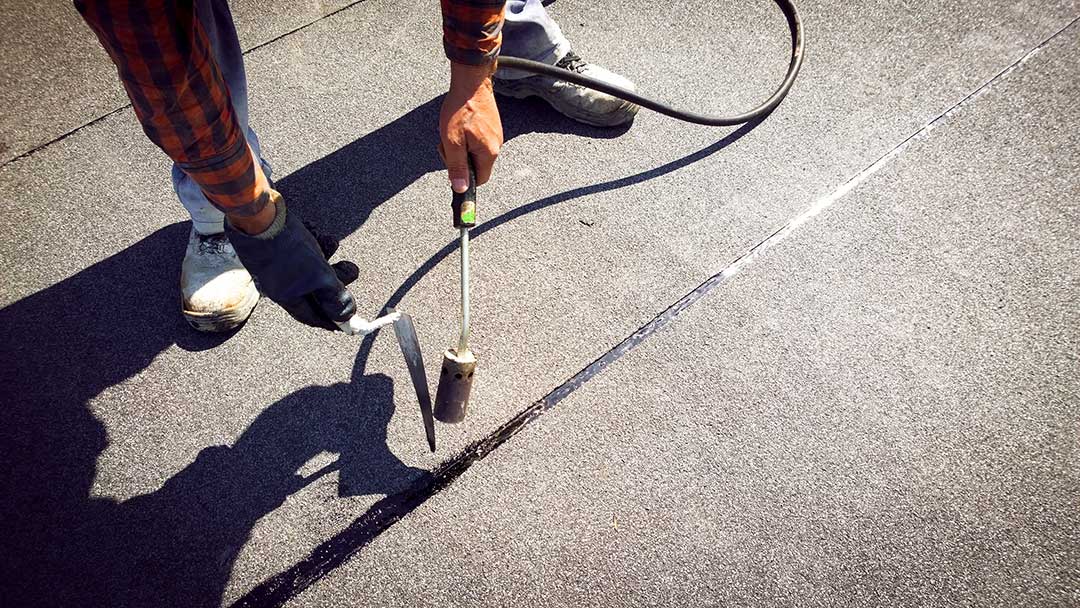
Misconception: “If I don’t see leaks now, my roof is fine.” In reality, heavy rain and strong gusts can exploit minor weaknesses that weren’t obvious in mild weather.
What Local Weather Patterns Should Residents Consider?
Perry’s climate typically brings strong summer thunderstorms and, occasionally, rain and wind from systems tracking inland from the Atlantic. While not as frequent or severe as coastal regions, the community still faces the risk of isolated high-wind events that can damage roofs, especially after wet and windy springs that may already have loosened exterior materials.
Late summer and early fall are the most likely times for hurricane remnants to affect this region. Checking your roof in June and again in late August or September is a smart routine to account for both normal local storms and any rare hurricane-driven weather.
Can Roof Preparation Lower Insurance Costs or Claims?
Insurance generally covers storm damage, but policies often require regular home maintenance. If post-storm inspections reveal neglected repairs, claims may be partially denied. Keeping a simple log of what maintenance was performed—such as shingle replacements, gutter cleanouts, or tree trimming—can support a future claim and possibly help maintain lower premiums.
Photos of the roof before storm season can also be helpful; they document the pre-storm condition, streamlining conversations with insurance adjusters if damage does occur.
When Should Residents Seek Professional Help?
If you spot extensive shingle loss, sagging rooflines, or evidence of major leaks in the attic or ceilings, further inspection or repair may be necessary to ensure safety. Additionally, any roof with steep pitches or high elevations should be left to those with safety training. For most small repairs and preventive steps, homeowners can follow recommendations above.
What Are Some Lesser-Known Tips for Roof Storm Preparation?
- Double-check that roof vents and attic fans are secured, as these can be lifted by strong winds
- Remove decorative or loose objects left on roofs after winter or spring (e.g., old holiday lights, bird houses, or debris)
- Ensure soffit vents are clear—blocked vents can slow attic drying and promote leaks after heavy rain
By doing these small but meaningful checks, Perry residents can feel more confident that their roof is ready to face whatever the season may bring.
