
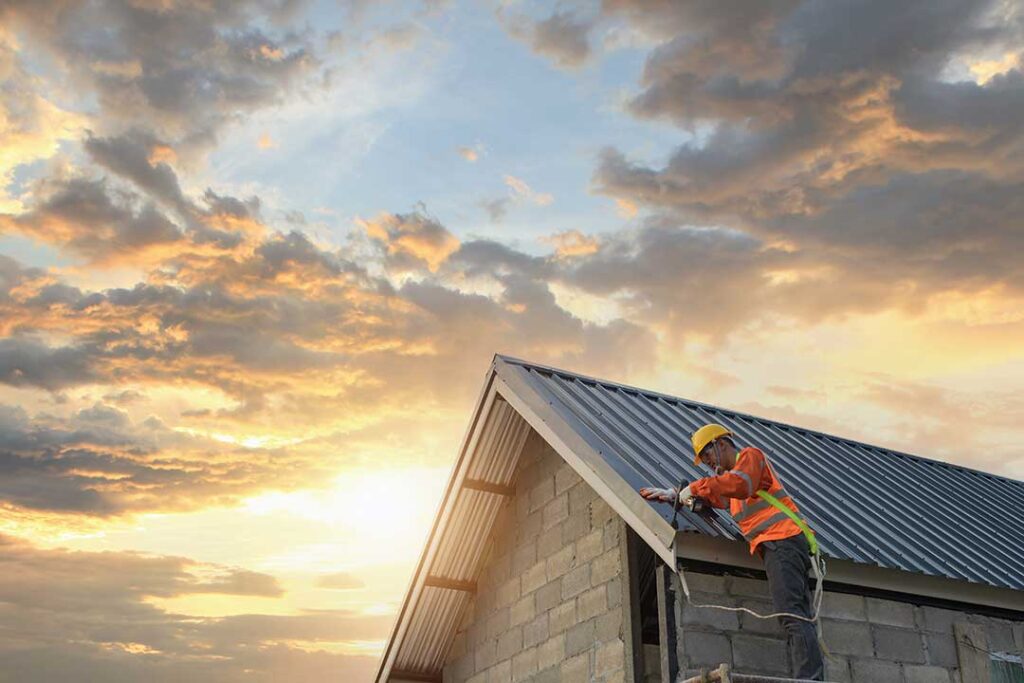
Why Prepare Your Roof for Winter in Perry, NY?
Making sure your roof is ready for winter helps prevent costly leaks, ice build-up, and damage from heavy snow. Perry, NY experiences freezing temperatures, snow, and occasional ice storms, all of which put stress on local roofs. Preparation reduces risks like water infiltration and structural strain that often appear during winter’s freeze-thaw cycles.
What Are the Key Risks for Roofs During Winter Here?
The biggest threats to roofs during cold months in this region are ice dams, wind-driven snow, and repeated thawing and refreezing. These can cause leaks or even lead to physical damage:
- Ice Dams: Warm air escaping into the attic can melt snow, which then refreezes at the eaves, blocking proper drainage.
- Heavy Snow Loads: Accumulation may exceed what some older roofs were designed to handle.
- Wind: Gusts can pry up shingles, leaving underlayment exposed.
If not addressed in autumn, these issues often become expensive repairs by spring.
How Should Local Residents Inspect Their Roof Before Winter?
Begin with a visual check from the ground, looking for loose shingles, visible sagging, and damaged flashing around vents and chimneys. Use binoculars for a closer look instead of climbing a ladder, which can be dangerous, especially in wet or icy weather.
Inside, check your attic for:
- Signs of leaks (stains, moldy smells, visible drips)
- Insulation coverage and evenness
- Gaps where warm air could escape
If the roof is too steep, large, or difficult to view, consider asking a friend or neighbor for a second set of eyes rather than risking injury.
What Specific Maintenance Tasks Should Be Done Before Snow Arrives?
A few focused tasks serve Perry households especially well ahead of winter:
- Clear Gutters and Downspouts: Remove all leaves and debris so melting snow can flow away from the roof.
- Trim Overhanging Branches: Branches weighed down by ice can snap and damage shingles or gutters.
- Seal Exposed Nail Heads and Flashing: Check spots where metal meets shingle and use roofing cement or caulk to seal any gaps.
- Replace Missing or Damaged Shingles: Even one missing shingle can allow water to seep in over months of melting snow.
- Check Attic Insulation and Ventilation: Adequate insulation keeps heat inside the home, minimizing snow melt on the roof. Good ventilation allows moisture in the attic to escape, preventing condensation and attic mold.
Are There Common Overlooked Issues in Perry?
Yes, several details are frequently missed:
- Valley and Ridge Maintenance: Roof valleys (where two slopes meet) are especially prone to snow buildup and leaks. Ensure no debris or shingle damage exists in these areas.
- Pipe Boots and Rubber Flashings: In cold climates, rubber around vent pipes can crack, leading to slow leaks that go unnoticed through winter.
- Hidden Debris: Pine needles and twigs can collect behind chimneys or in roof valleys, leading to localized water pooling when snow melts.
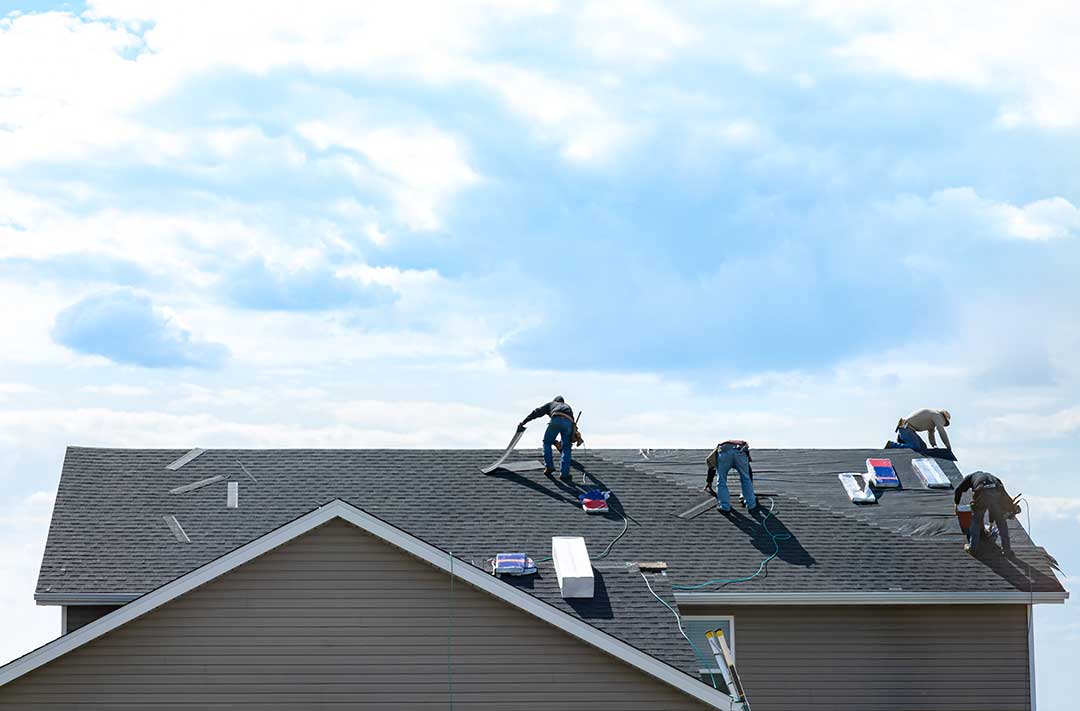
How Can Residents Safely Remove Snow and Ice From the Roof?
Residents often want to physically clear heavy snow, but this must be approached with care. Most modern residential roofs in the city are built to withstand average snow loads typical for Western New York, so there's no need to clear light or moderate accumulation.
For heavy snow, use a roof rake with a long extension handle:
- Stand safely on the ground
- Gently pull snow down the slope—never sideways, which can dislodge shingles
- Work in small sections to avoid sudden snow slides
Never climb a snowy roof or hack at ice dams with sharp tools, as this can cause serious injury or damage.
What Should Be Avoided During Winter Roof Maintenance?
A few mistakes can lead to bigger problems:
- Do not apply salt or harsh chemicals to melt ice. These may corrode metal components and damage shingles.
- Avoid using high-pressure water or tools. This can drive water under shingles or remove protective granules.
- Never try to chip away ice dams with an axe or hammer. This often leads to shingle damage or injury.
If severe ice dams develop, focus on attic insulation improvements rather than temporary fixes from the roof itself.
How Do Perry’s Weather Patterns Affect Roof Preparation Needs?
Winters in Perry typically bring alternating thaw and freeze cycles, along with wet, heavy snow and the potential for wind gusts. Roofs need to be ready not just for weight, but for repeated cycling between cold and mild days, which makes flexible seals, robust insulation, and debris-free drainage even more essential.
Flat or low-slope roofs—which are common on some older homes and downtown buildings—may require extra attention to ensure drains, scuppers, and flashing are clear and leak-free, since they do not shed snow as quickly as steeper designs.
What If Signs of Roof Trouble Appear During Winter?
If you notice water stains on ceilings, new drips, or unexplained temperature swings in an upstairs room, investigate as soon as conditions safely allow. Temporary measures like placing a bucket or increasing attic ventilation can help limit damage until repairs can be made. Always use care on ladders or in icy conditions.
